
You may find that it is easier to be physically active and eat healthy knowing that it may help control blood glucose and protect you from a serious disease. Too much added sugar in your diet can contribute to weight gain, obesity, type 2 diabetes, and heart disease. Added sugars are sugars and syrups that are added to foods and drinks when they are processed or prepared. In addition to eating whole foods, learning how to read food labels is one of the best ways to develop healthier eating habits. As a general rule, try to mostly eat foods that are high in nutrients like protein, fiber, healthy fats, vitamins, and minerals.
Avoid These Common Mistakes
A more plant-based diet is generally best for your health and staving off chronic diseases. The Adventist Health Study in the U.S. found that those who lived the longest were vegans and pesco-vegetarians who ate a small amount of seafood. The Mediterranean Diet, heralded as one of the healthiest eating pattern in the world, is an overall reddit.com plant-based approach with dairy foods a few times a week and frequent fish and seafood. Red meats are limited to only a few eating occasions each month.
Meal Timing and Frequency
Alcohol adds extra calories that can lead to weight gain, and too much can raise your risk of high blood pressure, heart disease, and liver problems. Current guidelines suggest no more than one drink a day for women and two for men. Meal planning can help people eat a healthier diet and reduce the stress of trying to figure out what to eat at the last minute. Taking the time to plan out your meals for the week can help you navigate your healthy eating with ease. To meal-plan, figure out what you are going to eat for your meals throughout the week.
Health experts reveal 5 longevity habits to boost strength and metabolism; say prioritise sleep with healthy lifestyle
While high-fiber and starchy carbohydrates are important, don’t neglect other food groups. Pair them with lean protein and healthy fats for a complete and nourishing meal. Eating large portions can lead to consuming more calories than needed, contributing to weight gain. Choosing smaller portions can help reduce calorie intake and promote weight loss. Using a food scale or measuring cups can help measure portion sizes accurately, ensuring that you stay within your desired calorie range. There are many cultures around the world in which people may not eat their meals from a plate.
What are the top 20 healthiest foods?
When you think of healthy eating habits, what comes to mind? Is it green smoothies, kale salads and cauliflower everything? I’m not gonna lie, I love me a good dose of all of these things!
Need help with benefits?
Find healthy recipes you enjoy, and savor the flavors and textures of your meals. Experiment with different cuisines and ingredients to keep your meals interesting. Protein is essential for building and repairing tissues, supporting immune function, and producing enzymes and hormones. Include a variety of protein sources in your diet, such as lean meats, poultry, fish, beans, lentils, tofu, and eggs. Water is essential for virtually every bodily function, including digestion, nutrient absorption, and temperature regulation. Aim for at least eight glasses of water per day, and more if you’re active.
Healthy Grab-and-Go Snacks for Busy Days
Making suitable lifestyle choices may also help men and women prevent some health problems. Ultra-processed foods are any foods and beverages that have undergone significant processing and usually have added sugars, fat, additives, and preservatives. Examples include soda and other sugary beverages, chips, sugary breakfast cereals, candy, frozen desserts, baked goods, processed meats, margarine, and snack bars. Choose natural, whole foods as much as possible, and try to avoid overly processed choices as much as possible. Studies suggest that ultra-processed foods are linked to heart disease, obesity, and type 2 diabetes, among other conditions. Reading the ingredients list and facts label on a food label can help you better understand what you are eating, how many calories it contains, and its density of micronutrients and macronutrients.
Plan meals ahead of time
With a plan in place, you can create a targeted grocery list. Cultural traditions, family food habits, and social pressures from peers or family can influence our food choices. Asking for support from people who live with you is also vital, even if they aren’t ready to make healthy changes themselves. Customize the dietary plan you choose to meet your cultural and personal preferences. If you choose vegetarian milk alternatives, always make a nutrition label comparison. Many drinks marketed as dairy replacements do not come close in nutrient content.
Choose canned varieties of fruit packed in water or in its own juice. If you increase your aerobic activity to 300 minutes a week—instead of the recommended 150 minutes—you may even lower your risk for heart disease or type 2 diabetes. Additionally, if you do more than 300 minutes a week of moderate-intensity aerobic activity, you may even reduce your risk for several cancers. Experts recommend (PDF, 14.4 MB) that you should move more and sit less throughout the day. You can gain some health benefits if you sit less and do any amount of physical activity.
While snacking can help to keep you going during the day between meals, it can also be a crutch when you are bored or stressed. Try to make balanced choices for snacks, that include carbohydrates, proteins, and fats, such as apple or crackers with cheese, or yogurt and granola. To set yourself up for success, try to keep things simple. Eating a more balanced diet doesn’t have to be complicated. Instead of being overly concerned with counting calories, for example, think of your diet in terms of color, variety, and freshness. Focus on minimizing packaged and heavily processed foods and opting for more fresh ingredients whenever possible.
Enjoy a variety of foods.
- Ultra-processed foods do not include items like chopped and frozen vegetables, canned beans, or shelled pistachios.
- Our team focuses on both the practical and emotional aspects of changing eating behaviors.
- It’s possible to include all of these aspects in your dietary pattern.
- Diets rich in highly processed foods may also increase the risk of depressive symptoms, particularly among people who get less exercise.
- Protein increases satiety hormones while suppressing hunger hormones.
- However, even on these diets, macronutrient counting typically isn’t necessary.
From freeze-dried blueberries to dried mango slices, the fruit choices are endless. Eating fish is linked to a plethora of potential health benefits too, including a reduced risk for cardiovascular disease. Added sugars are lurking in many seemingly healthy drinks, like fruit punch and sports drinks. Unfortunately, taking in too many added sugars has been linked to adverse outcomes including chronic inflammation, obesity, hypertension, type 2 diabetes, metabolic syndrome and even depression. Here are 20 tweaks you can make to your eating habits that are dietitian-approved and incredibly impactful for long-term healthy change.
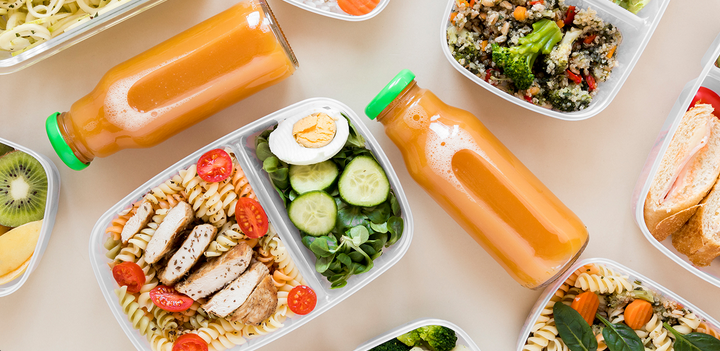
Treat yourself to a non-food reward like a new book, a massage, or a relaxing bath. When grocery shopping, focus on the perimeter of the store where fresh produce, lean proteins, and dairy products are typically located. Limit your time in the inner aisles where processed and packaged foods are often found. Whole grains are a good source of fiber, vitamins, and minerals. Opt for whole grains https://www.nhs.uk/live-well/eat-well/how-to-eat-a-balanced-diet/eight-tips-for-healthy-eating/ like brown rice, quinoa, oats, and whole wheat bread over refined grains.
Why do some people become overweight?
The guidelines stress the importance of eating whole grains (like whole-wheat bread or brown rice) over refined grains (such as white bread or white rice). That’s because eating whole grains every day is linked to a reduced risk for cardiovascular disease, heart attack, stroke, and diabetes. “Keep it interesting by trying whole grains that are new to you, such as quinoa, buckwheat, or wild rice. They have B vitamins and protein, and they’re not hard to find in most stores,” Moore says. An important healthy eating tip to try this year is making sure you’re starting your day off right with a balanced breakfast. This morning meal can help set the tone for how you’ll eat for the rest of the day. It doesn’t matter when you eat it, but make sure you get a good balance of macros and enough protein to temper your appetite and quell cravings for carbohydrates.